
Blog
Welcome to the Istanbul Elsewhere Blog!
Stay connected with the stories, flavors, and Istanbulite experiences around the world. From meyhane rituals and culinary traditions to personal journeys and cultural threads, we explore how the spirit of being an Istanbulite travels and transforms beyond its borders.
Top picks by
Istanbul Elsewhere
Stay in the loop with the latest and juiciest stories, fresh from Istanbul Elsewhere!
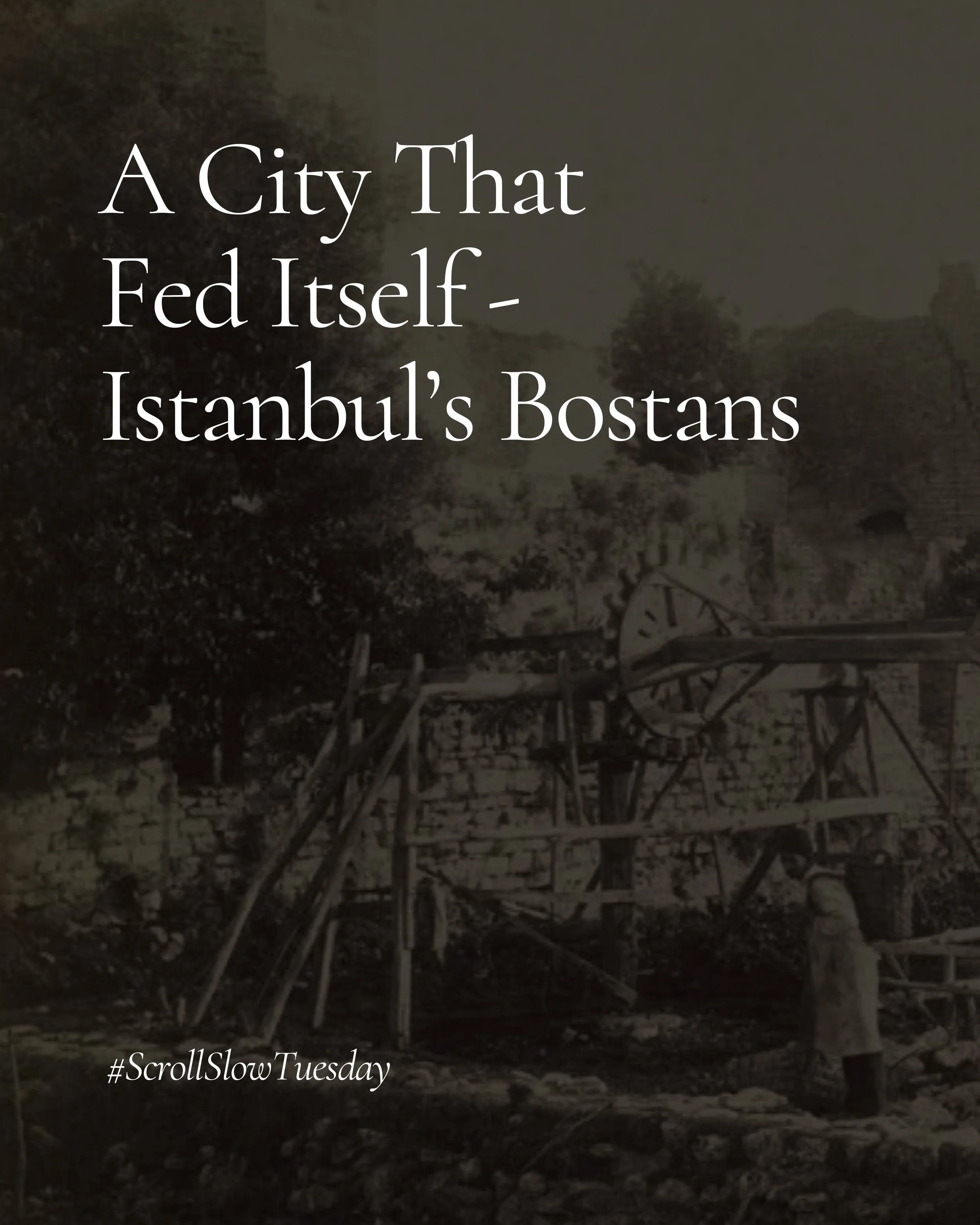
Istanbul once fed itself—through truck gardens woven into the very fabric of the city. From Yedikule to Kuzguncuk, these plots are more than fields: they are neighbourhood commons, seasonal rhythms, and living archives of multicultural labour.

The arcades of Istanbul are more than historic architecture—they are ledgers of a plural city. Most were built by Greek, Armenian, and Jewish communities who once shaped the everyday life of Beyoğlu. These corridors once linked not only shops, but languages, beliefs, and generations.
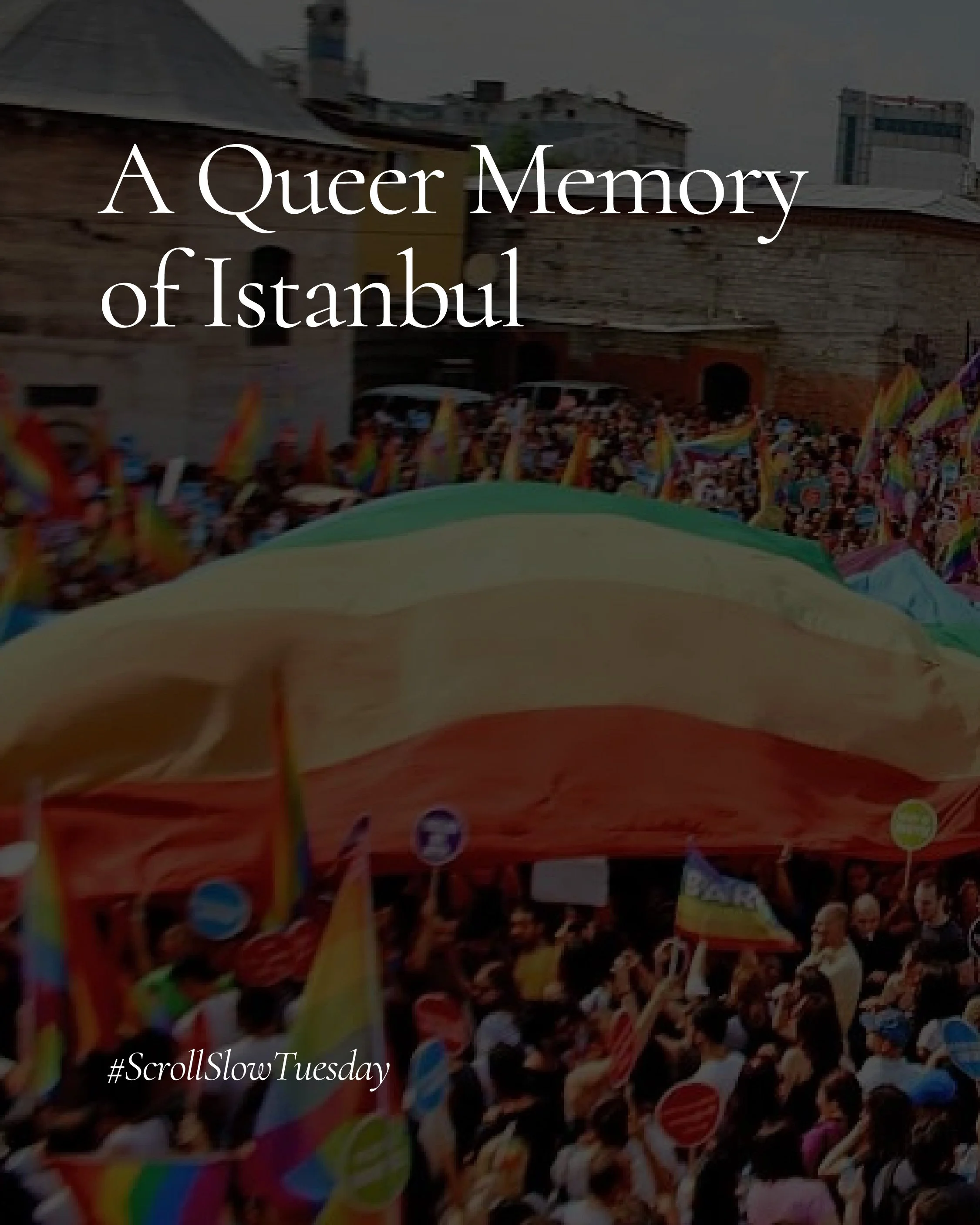
To be seen is to resist. To gather is to remember. Being queer in Istanbul is a form of urban authorship.
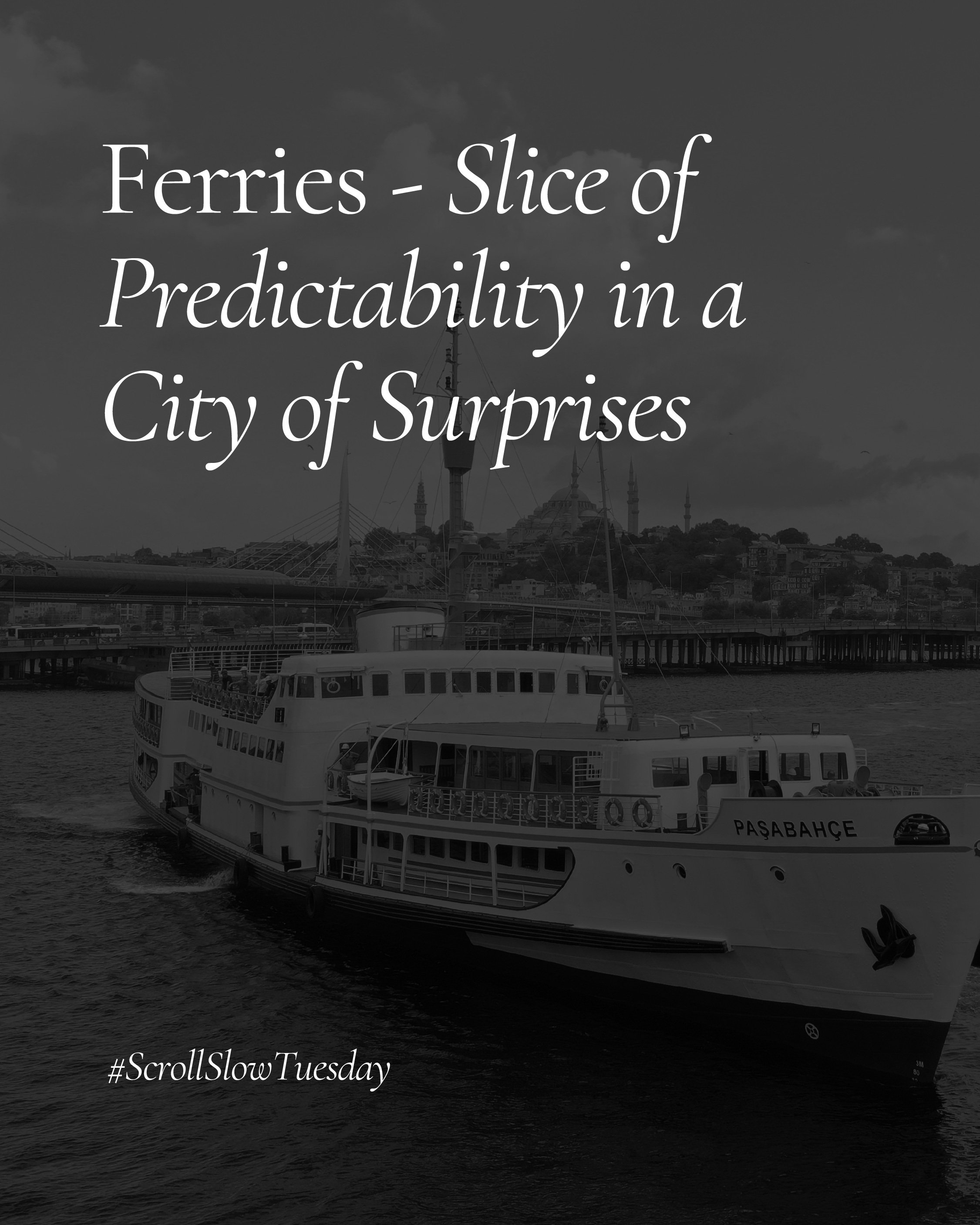
In a city that rushes, Istanbul ferries invite us to slow down — to share stories, memories, and a sense of belonging across Istanbul’s waters. We must reclaim our right to experience the city at our own pace — to embrace the shores as places where the sea meets us all equally.

As we mark five years of this living, breathing, digital table, one thing remains clear: You can take the meyhane out of the city, but you can’t take the spirit of the city out of the meyhane.

We are rebuilding from scratch, even when we’re too tired to begin — because we believe spring will come, no matter how long the winter lasts.

This isn’t just about a mayor — it’s about the people standing up for their rights, for democracy, and for justice for all!

It’s no surprise, then, to find Portugal’s tasca culture mirroring the spirit of the meyhane. Great tasca tips from our Lisbon barba, Defne!


You cannot stop breathing because the air is dirty, because hope never forgets the paths it has travelled and never returns to its starting point. It is always much further ahead than where it started.

Not only is pickle a great companion to rakı but brine is a great hangover cure, as Istanbulites learned from the Russian emigres who fled the 1917 Revolution.


The rakı table is an ensemble cast, where every bite plays its part in creating the perfect balance of flavors, textures, and traditions.
Articles
Explore the culinary, cultural, and historic roots of Istanbul, from its vibrant meyhane culture to the hidden stories behind its timeless flavors. Each article uncovers the traditions, recipes, and tales that have shaped the city's rich gastronomic and social heritage.
Istanbul London Connections
We embark on a journey into the history of Istanbul-London connection with stories of Londoners in Istanbul and Istanbulites in London.

Small plates, a.k.a. shared plates, a manner of dining where small dishes resembling appetizers are ordered à la carte and often shared, has gained immense popularity in North America since the turn of the millennium. A decade later, England jumped on the bandwagon and, in the blink of an eye, restaurants and bars offering small plates and allowing their customers to try a variety of dishes alongside their choice drinks cropped up all over the country, particularly the capital. Although a novelty in the Anglo-Saxon world, sharing plates has been a significant part of various culinary cultures – especially Mediterranean and Russian – for centuries. And, no institution illustrates what sharing – plates among other things – means better than the meyhane.

Wine was the indisputable queen of the famous Byzantine phouskaria and the Ottoman meyhanes until the late 19th century. But at the turn of the century, a significant shift occurred in Istanbul’s drinking culture, and rakı came to dominate the colorful, vibrant tables in the taverns scattered all over the capital. Rather than a mere change in the drinking habits of Istanbulites, this reflected a malaise that had spread around Europe and has haunted the continent for more than a century now: nationalism.

Although there has never literally been a meyhane in London, a similar establishment, attesting to the common Roman heritage that characterizes the two imperial capitals has been around for centuries: the tavern. Originally a men-only space serving wine to its clients who desired to socialize with their fellow urbanites, the tavern, or taberna as Romans called it, has been redefined, reconfigured, and reinterpreted to respond to new social needs and demands.
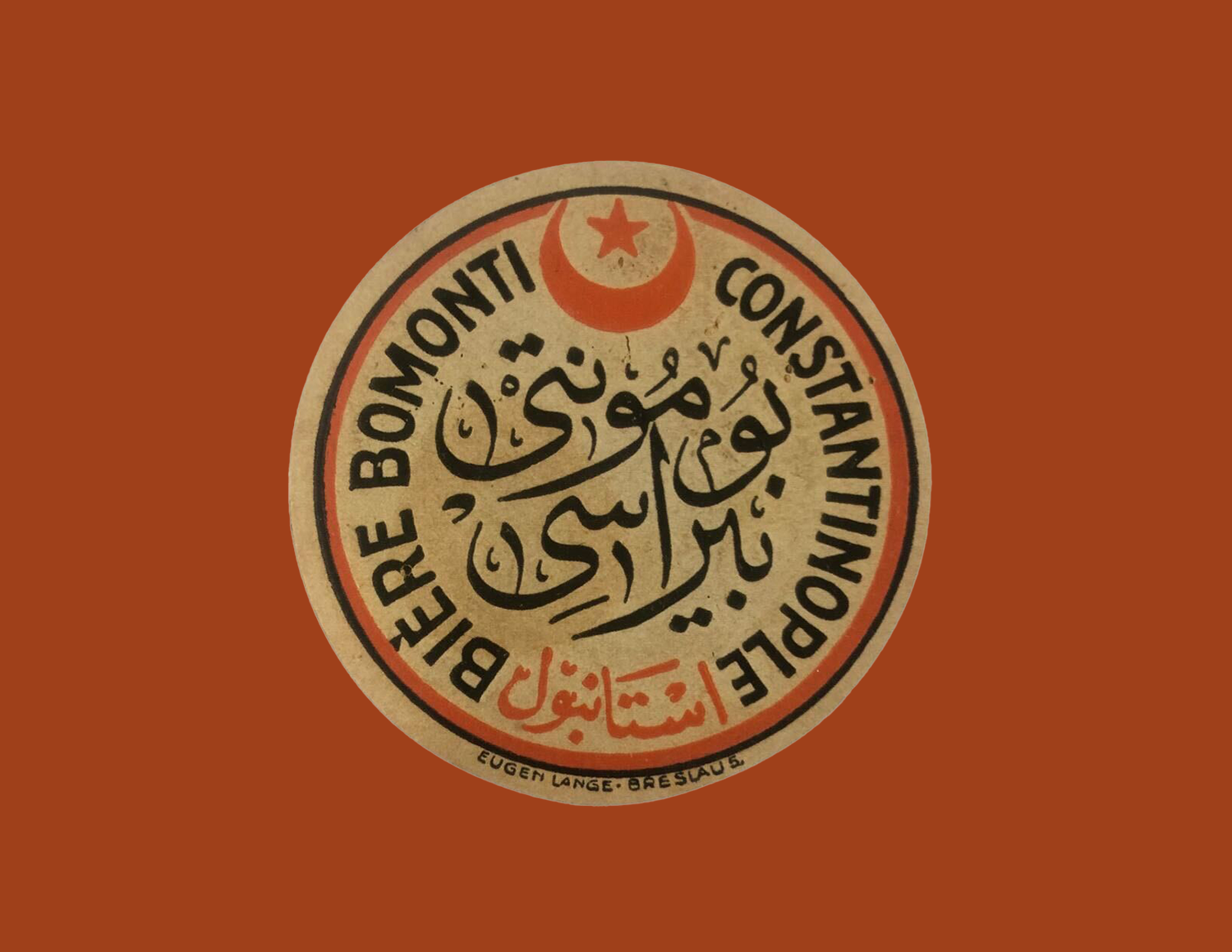
Although beer arrived in Istanbul at the beginning of the 19th century, boza – dubbed the “earliest beer” by some historians – had been available to the imperial capital's residents since Constantinople's conquest. A malt drink, made by fermenting wheat, boza was so popular with Istanbulites that when beer made its way to the capital in the early 1800s, they had no trouble getting used to what famous author Ahmet Rasim described as, “Blondish water with white foam.”

John Finch, British Ambassador to Constantinople between 1672 and 1681, once wrote, “No part of the globe has been so liberally blessed with the things that enter into the mouth as the Levant. The soil here yields its fruits and the sea its fish in equal profusion.” Similar sentiments were voiced by his compatriots traveling to Istanbul in the 18th and 19th centuries – Julia Pardoe, John Auldjo, Robert Snow, and Charles White were all impressed with the city’s victual offerings. Clearly, the queen of cities titillated not only the visual but also the palatal senses.

The 19th century, a.k.a. the century of change, was characterized by vast social upheaval, sweeping socio-political and cultural reforms, tectonic shifts in the balance of power in Europe and worldwide, and unprecedented advances in intercultural dialogue and interaction. The Ottoman Empire – still a major international player despite its ailing state – and especially its capital, Istanbul (a.k.a Constantinople), also witnessed expansive social transformation during what came to be known as “the empire’s longest century.” And, at the epicenter of this seismic wave of change was the Westernization of social life.
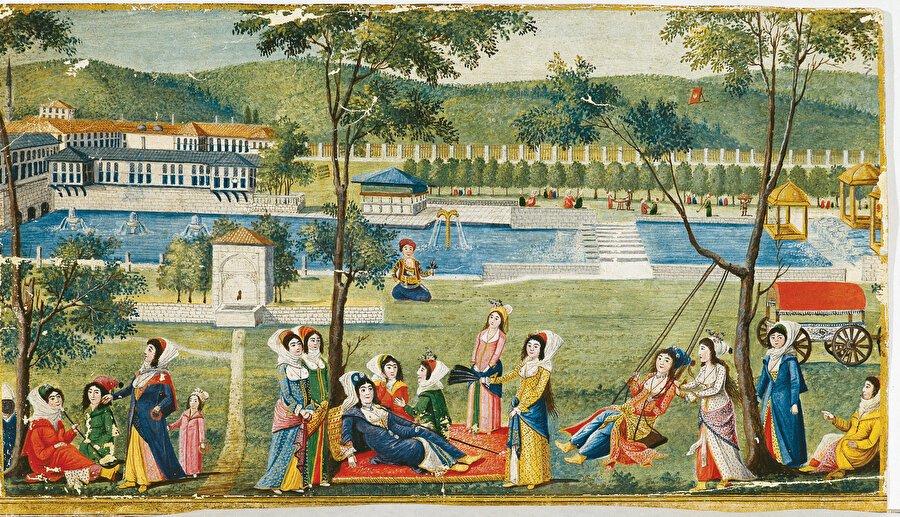
“Nor indeed doth a Turke at any time shew himself to be so truly pleased and satisfied in his sense, as he doth in the summertime, when he is in a pleasure garden,” wrote the Venetian diplomat Ottavio Bon of 17-th century Istanbulites. Many a traveler, amongst whom a considerable number were from London, mirrored Bon’s sentiments as they joined the locals feasting, dancing, smoking, and even enjoying wine and flirting in the breathtaking meadows that formed a mesmerizing part of Constantinople’s silhouette. Welcome to the world of Istanbul’s notorious pleasure gardens.

The coffeehouse was the first nonreligious, urban space where male residents of Constantinople could socialize. The first coffeehouse in Istanbul appeared shortly after the arrival of coffee in the Ottoman capital, and it made an immediate impact on how Istanbulites comported towards their fellow urbanites, how they amused themselves, how they spent their free time – in short, how they socialized. Despite various prohibitions, threats, mishaps, and the emergence of alternative spaces of socialization, the coffeehouse protected its status as an institution for centuries – not only in Istanbul but also in London.

In 1599, as part of her plans to ally with the Ottoman Empire against her arch-enemy Catholic Spain, Queen Elizabeth I sent a clockwork organ as a gift to Sultan Mehmed III. Organ builder Thomas Dallam accompanied the organ – dubbed a “technological marvel of its time” – on its voyage to Constantinople and reassembled it in a kiosk in Topkapı Palace. So impressed was the Sultan with his new toy that he asked Dallam to remain in his service, but to no avail. The organ builder’s brave decision to reject the Sultan’s offer was also going to prove to be the best of his life.

In 1851, London hosted the world’s first genuinely international fair, the Great Exhibition of the Works of Industry of All Nations, also known as the Great Exhibition. Sir Henry Cole, the mastermind behind the fair, identified its ultimate goal as finding new potential markets for British products. However, the impact of the Exhibition was not confined to economics and trade alone; in fact, 1851 ushered in a new era of international and cross-cultural communication and interaction unimaginable hitherto. Hoping to demonstrate to the rest of the world that it was still a force to be reckoned with, the Ottoman Empire partook in this milestone event, offering a glimpse of the exotic Oriental life to hundreds of thousands of curious visitors.

Sultan Abdülaziz (1830-1876) was the first Ottoman sultan to visit Western Europe and the first non-Christian head of state officially welcomed by the British Empire. The 48-day-long journey (from June 21, 1867 to August 4, 1867) was yet another indication that the Ottomans no longer regarded themselves as absolutely superior to Europeans and that they were willing to take the necessary steps to strengthen interactions with what they once dubbed as the “infidel enemy.” The trip’s ultimate aim was to ensure the continuation of British and French backing in the European political arena yet somehow, it was Sultan Abdülaziz who ended up reaping its tastiest fruits.

Istanbulites’ proper introduction to London did not occur until the late 18th century. Travelogues were not as widespread in the empire, but perhaps more importantly, the Ottomans' self-perception as being vastly superior to what they called “infidel Europe” meant they felt no need to visit the Occidental lands. As the balance of power shifted in favor of Europeans in the 18th century, Ottomans began to show genuine interest in Western capitals, specifically Paris, London, and Vienna. As was the custom in those days, literary figures were assigned to posts in resident envoys sent to major European capitals, and it is through their letters and memoirs that we get a glimpse at the image of London in Istanbulites’ eyes.

What drives a traveler to undertake an arduous, protracted, and often dangerous journey to a city she only knows from the engravings and drawings made by her predecessors? The answer is simple: curiosity. An irresistible desire to observe and – if allowed, of course – experience, or even partake in the daily lives and routines, social habits, and cultural rituals of the locals, the Istanbulites. And, it is this unquenchable thirst, this insatiable hunger, this unslakable yearning that brings this group of Londoners together.

A lady traveled to Istanbul with her Ambassador husband in 1716. For two years, she befriended Ottoman women, became a part of their lives, and shared her observations in letters to her friends. This was an Istanbul no traveler had seen before – a city brimming with homoerotic desire and unambiguously sapphic in nature.
What’s on our plates?
In our journey towards opening London’s first Istanbul meyhane we have often alluded to the special relationship between rakı and meze.

Being squeezed in between two seas with very distinct features (the Black Sea and the Sea of Marmara) and sitting on a strait has meant Istanbul has always been a passageway for a plethora of fish migrating to and from warmer waters. Of such prominence was this plenitude that almost every traveler writing about Istanbul dedicated pages to it, describing in detail the central place seafood occupied in the city’s cuisine. And, it is not only fresh seafood that Istanbulites indulge in. Ever since the days of the Byzantine Empire, the residents of the city have excelled in preserving fish by pickling, sun-drying, or smoking it. Join us as we delve into the rich world of Istanbul’s seafood culture.

Of all the mezes lined up on a meyhane tray for the viewing pleasure of the clients, olive oil dishes occupy a special place in the hearts of Istanbulites. So much so that often one of the first questions that a barba or a waiter asks you when you are settled at your table is: “Which of the olive oil dishes would you like this evening?”
Prepared with copious amounts of olive oil – as the name implies – and consumed cold – or, at best lukewarm – olive oil dishes are made with almost any ingredient you can imagine: aubergines, bell peppers, vine leaves, cabbage leaves, chard leaves, artichokes, fresh fava beans, runner beans, borlotti beans, celeriac, leek, glasswort, sunchoke a.k.a. Jerusalem artichoke, and courgettes.
In this leg of our journey towards the opening of the first Istanbul meyhane of London, we delve into the rich world of Istanbul’s olive oil dishes.

Legumes have occupied a cardinal place in Istanbul’s culinary culture from the earliest days of the Byzantine Empire onwards. So much so that Athanasius I, the Ecumenical Patriarch of Constantinople from 1289 to 1293 and from 1303 to 1309, referred to Byzantines as kyamafagoi – legume eaters.
For centuries, legume dishes prepared in three different ways have adorned meyhane and rakı tables in the city: piyaz – salads with lemon juice/vinegar and olive oil dressing such as black-eyed peas piyaz; pilaki – cooked by braising the main ingredient in a mixture of onion, garlic, tomatoes, tomato/pepper paste, and copious amounts of olive oil, such as borlotti pilaki; and, ezme – mashed legumes, such as fava.
In this leg of our journey towards the opening of the first Istanbul meyhane of London, we delve into the rich world of legumes.

In his poem titled “Çilingir Sofrası” (Rakı Table) Metin Eloğlu lists what rakı needs the most: “This zıkkım requires
Albanian liver, first
çiroz, second
and, cacık, third.”
One of the most popular folk singers in Turkish music history Barış Manço concurs: “How can rakı resist such delicious cacık?”
How can an easy dish like cacık induce such inexplicable culinary ecstasies? The answer, of course, lies in the ingredients.
There certainly is a special relationship between rakı and cacık – or perhaps better put, a special place for cacık in Istanbul’s culinary history and culture. Take Neşet Efendi, a 19th-century Istanbul socialite, and an addict – a cacık addict, to be more precise. An otherwise affable, sophisticated Istanbul gentleman whose self-conduct leaves nothing to be desired, Neşet Efendi takes leave of his senses when even the slightest prospect of cacık appears before him. For him, the thousands of yogurt canisters that arrive from Silivri every day and the hundreds of thousands of cucumbers grown in Langa truck gardens have one purpose and one purpose alone: to be turned into cacık. The monotonous pounding sounds of a mortar in a pestle are a source of euphoria for him: is someone crushing garlic for cacık? And the captivating aroma of garlic puts him in a state of rapture. So, one day, realizing that it is futile trying to resist the temptation, he builds a pond under a gazebo in his back garden and keeps it filled with cacık at all times.

There are some mezes that even though they defy classification into a genus, are yet still indispensable for meyhane clientele. We start our journey into the delightful world of mezes with these odd ones out, aka the sidekicks (yancı).
Although they might not be as impressive as some of the other dishes on a meyhane table, the sidekicks have found a way to seep into Turkish literary consciousness. Take the eponymous hero of Metin Eloğlu’s short story, Mahmut Bey. After spending many hours crawling from one establishment to the other, we find him wobbling along the streets of Beyoğlu when another meyhane catches his eye. He stops, checks his pockets, and ponders: “I have 93 kuruş left. If the barba (the traditional name given to the owner of a meyhane) offers me a slice of white cheese, some pickled beets, and a spoonful of fried aubergines, I am the king of the world!”
How to Decorate a Meyhane?
From the tables and chairs where memories are made to the walls adorned with stories of companionship, meyhanes cultivate connections that extend far beyond their walls.

Delving deeper into the ambience of the meyhane, one encounters a rich tapestry of elements that shape the collective experience.
Walls, imbued with the memory of countless shared moments, serve as silent witnesses to the ebb and flow of conversations and laughter. From the display of aged artefacts and photographs to the careful selection of materials and hues, every detail is meticulously curated to evoke a sense of familiarity and warmth. Light, too, plays a crucial role, casting its glow upon the tables where stories are exchanged and memories are made. Whether bathed in the soft radiance of overhead fixtures or illuminated by individual lamps, each setting tells a story of its own, inviting regulars to immerse themselves in the rhythm of the evening.

Every aspect, from the sounds and smells to the textures, carries a common essence that defines the rakı table. Through its repetitive elements, the meyhane carves its identity. What happens around the table creates unique cultural rituals that foster togetherness. The table serves as a cultural hub where these rituals are celebrated and preserved, ensuring the continuity of meyhane culture across generations and scales.
The rituals are not arbitrary; they carry meaning. The drinking ritual does not commence until the first toast. Toasts occur throughout the conversation, marking moments of sadness, remembrance, and celebration. In a sequence of toasts, regulars honour those present, those absent, those departed (symbolised by the table itself), and ultimately themselves. Each toast becomes a celebration and a tribute, uniting participants around the meyhane table in a shared celebration of life and memory. The manners of drinking rakı starts and ends with sitting around the table. Without this spatiality, these rituals and rhythms would be lost, because the table is the anchor of the meyhane experience.

In the realm of meyhane design, every detail holds significance. From ergonomic considerations to the selection of materials, each element is meticulously chosen to craft an unforgettable dining experience. The chair in the meyhane is a whole with the meyhane itself, encompassing those who sit with an angle, those who use the adjacent chair for their bag, those who constantly lean back on another's chair, and those who can't help but touch the chair of their beloved while chatting. The experience of the meyhane, although it begins before entering, truly starts with the chair when it comes to the rakı table experience.
So, take a seat and immerse yourself in the captivating world of meyhane chairs, where each seat narrates a unique story, and every design choice evokes a sense of nostalgia.

At the core of every meyhane lies a familiar rhythm—a rhythm that resonates with all who enter. While each may boast its own unique décor, the essence of the interiors remains the same. A meyhane is more than just a place to dine and drink; it's a cultural institution, a social gathering spot, and a haven for those seeking connection and community.
As we delve into the details of meyhane interiors, we'll explore their design elements, their symbiotic relationship with social structures and psychological elements, and their role as the backdrop to countless memories and conversations.
Pour yourself a glass of rakı, and join us on this journey—to uncover the soul of the meyhane, one design element at a time.
Rakı 101
From its ancient origins to modern production techniques, Rakı has a rich history. Origins, distillation, aroma, serving, glasses and everything about Rakı…

Rituals occupy such a key place in rakı culture that talking about the rituals at the rakı table has become a ritual itself – discussing the proper way to savor it, meticulously pouring the right amounts of rakı and water, playfully mocking a companion for doing it all wrong, and at times, when the offense is too serious to be ignored, scalding the wrongdoer for not abiding by what the traditionalists called âdâb-ı işret, drinking etiquette.

Although rakı does not exist in a cultural or social vacuum, it still has a world of its own where vessels, norms, ethos, beliefs, myths, and much more gravitate around this fascinating drink. In this chapter of our journey, we delve into the elegant world of rakı accouterments. Click for more.

What gives rakı its unmistakable aroma, smooth taste, and cloudy white color is anise. Not just any anise though; Pimpinella anisum, a flowering plant in the family Apiacea (commonly known as the celery, carrot, or parsley family, or as umbellifers) and also known as green anise or simply as anise, is the only kind used in rakı distillation. Star anise, a fruit harvested from the Asian evergreen treen (illicium verum) is a different species. However, some Mediterranean anise-flavored alcohol producers have recently started using the Southeast Asian spice as it is considerably cheaper to produce.

With its distinguishable cloudy white color, anise taste, and distinct aroma, rakı has been part and parcel of Istanbul’s culinary culture for centuries. Variants of rakı, made of twice-distilled grapes and flavored with aniseed, are enjoyed in countries all across the Mediterranean. However, as many an aficionado will waste no time reminding you, rakı is much more than a drink: it is an irrefutable feature of social and cultural life, a building block of local identity, a catalyst for socialization, a symbol of camaraderie, and so much more. And in our journey to the heart of this drink that is much more than a drink, we must first turn our attention to 9th- century Mesopotamia.
Regular/Müdavim
Regulars play a key role in preserving meyhanes' collective memory by observing rituals, sharing stories, embracing change, and sustaining their distinctive ethos.

In today’s world of continuous flux, unrepentant change, ravenous destruction, overwhelming uncertainty, and ever-increasing haste, the need for familiarity and anchoring is perhaps more urgent than ever. Might becoming a regular be the antidote to this malaise?

No matter where we go, we always find that special spot that feels like home. From French Bistrots and Spanish Bodegas to Italian Osterias & Trattorias, and of course, British and Irish Pubs—these places draw us in and turn us into regulars.
Dive into the second part of the article here...

Meyhane is not the only place that creates its own regulars, moulding them into who they are as they give life to it in return. As socialization, enjoyment of life with friends, and sharing are universal human needs, many cultures have their version of a meyhane offering different kinds of food and drinks, in different environments, and built on different rituals but all fulfilling that fundamental need for a home away from home.
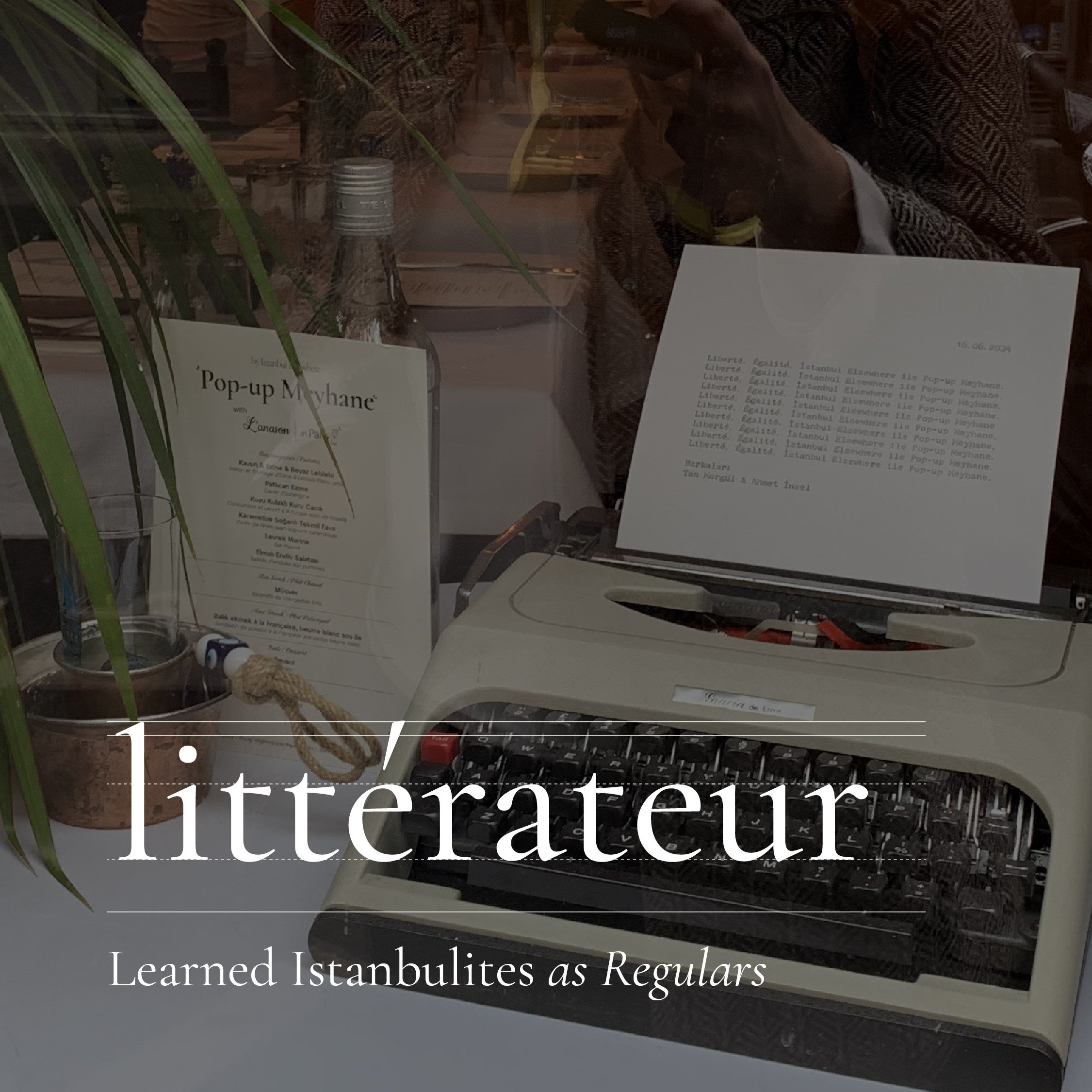
Turkish literature, especially poetry, arguably smells of aniseed more than anything else. Rakı permeates all sorts of literary work as a symbol of love, friendship, wistfulness, joyfulness, serenity, hope, nostalgia, and yearning – a whole array of human feelings. And meyhane emerges as an institution, a space where these sentiments and comportments are enacted – no wonder littérateurs, especially in Istanbul, have always had a special relationship, a sentimental bond with meyhanes.

Although dictionary definitions help us on our journey to understand social and cultural phenomena, they never do justice to the complexity of human affairs. That is also the case with the relationship between the meyhane as a social institution and the regular as a social type is special as being a regular cannot be reduced to the number of times or frequency with which one visits a meyhane. So, join us as we step into the world of regulars and witness an intricate, symbiotic, and solid relationship unfold before our eyes.
Gastronomy | Istanbul's Meze Culture
Each week, we explore the rich world of Istanbul’s mezes, uncovering the stories and traditions behind every bite!

Topig, an Armenian vegan dish that very much looks like a bindle, featured prominently in Lenten diets. As those who observed the lent avoided meat products and refrained from eating after sunset during the lent, they needed nutritious, filling, healthy but also tasty alternatives and topig emerged as the most satisfactory of these…

So, how has a dish that is so easy to prepare using such common ingredients stolen so many hearts all over the world? Because of the refreshing, or even rejuvenating effect it has once the first spoonful touches your taste buds.

And of course, realising Istanbulites’ penchant for the vegetable-cum-fruit, meyhanes were quick to ensure they would serve the tastiest, most succulent aubergine mezzes to their habitués…

Barring the introduction of different spices – particularly sumac – and adding fried potatoes to the garnish, the recipe for this delicious dish hasn’t changed for centuries.
But why is it called Albanian? …
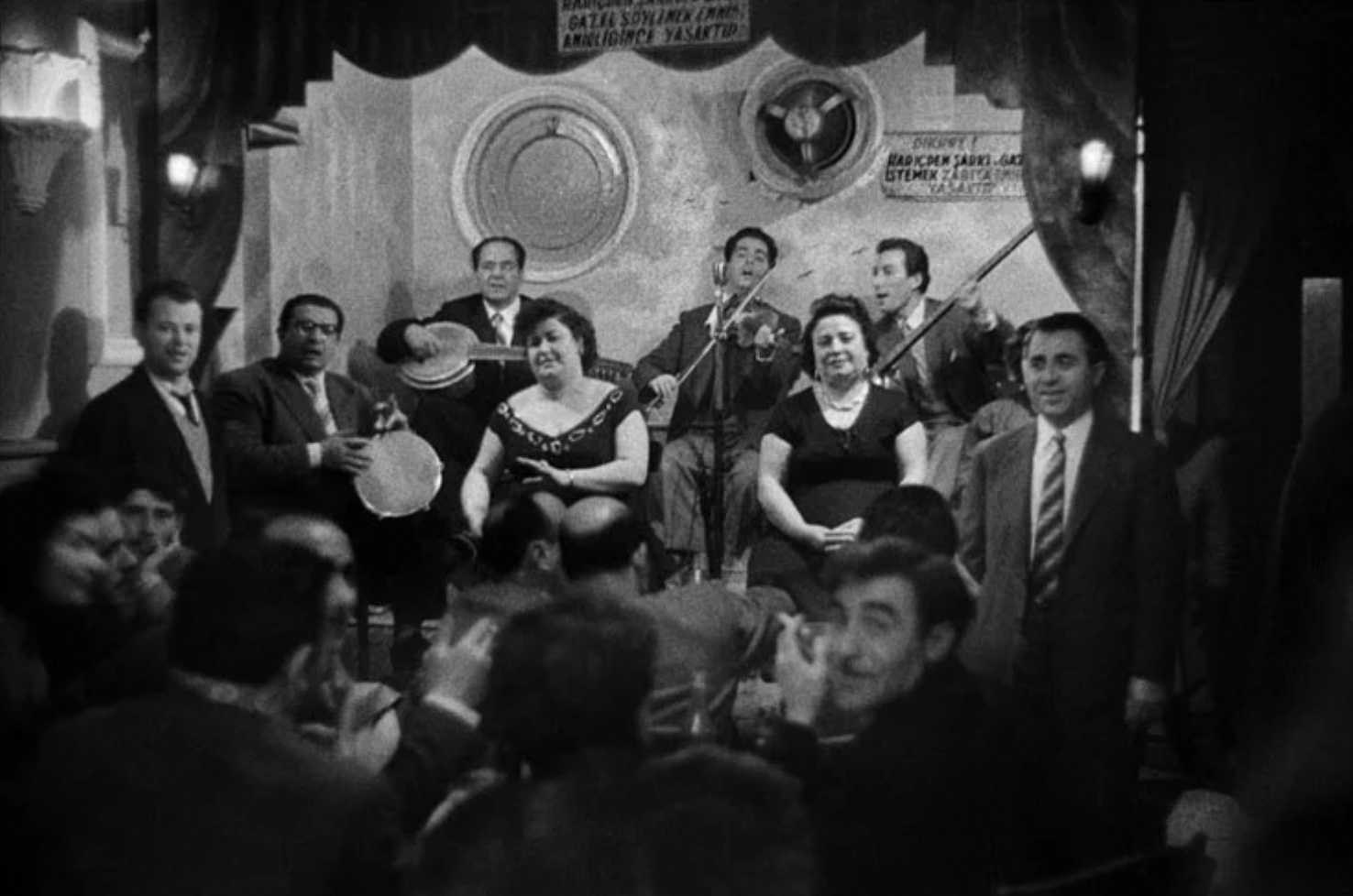
The first written recipe for pilaki is found in traveler Evliya Çelebi’s Seyahatname written in the 17th century and interestingly, it is the only recipe we find in the lofty travelogue.
According to Çelebi, pilaki is made in a special pan made from limestone...

Stuffed mussels’ origins go all the way back to Byzantion. According to the Byzantine Annals edited by T.H. Maggakis in 1888, Armenians living in the city stuffed large mussels with rice cooked in sheep lard.

Bostans were Istanbul’s market gardens that provisioned the city with fresh vegetables from the 5th century onwards.
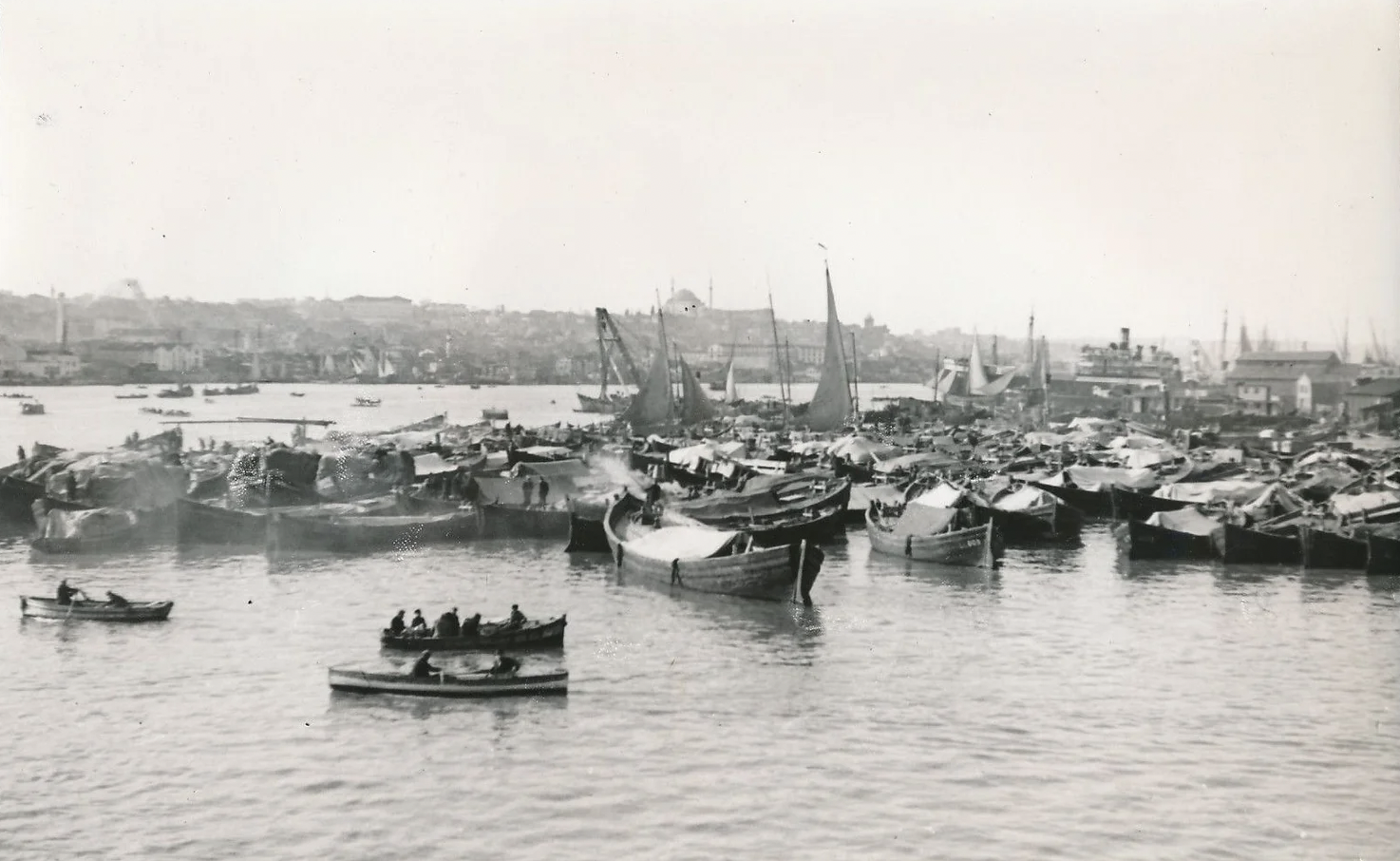
What is it that makes lakerda to stand out amongst its succulent rivals? Well, lakerda has such an enchanting taste that one could easily take it for the food of Gods, of Olympian deities that indulged only in nectar and ambrosia...
In a city like Istanbul, where squares are few and often controlled, to gather is to claim space, to appear is to insist on recognition. The act of standing in a square transforms private individuals into a public — making them visible, political, and impossible to ignore. In this way, the square embodies the tension between control and freedom, absence and visibility.